Quantum Techniques in Machine Learning (QTML) conference hosted in Singapore
Over 300 participants met 16-20 November on the theme “AI for Quantum, Quantum for AI”

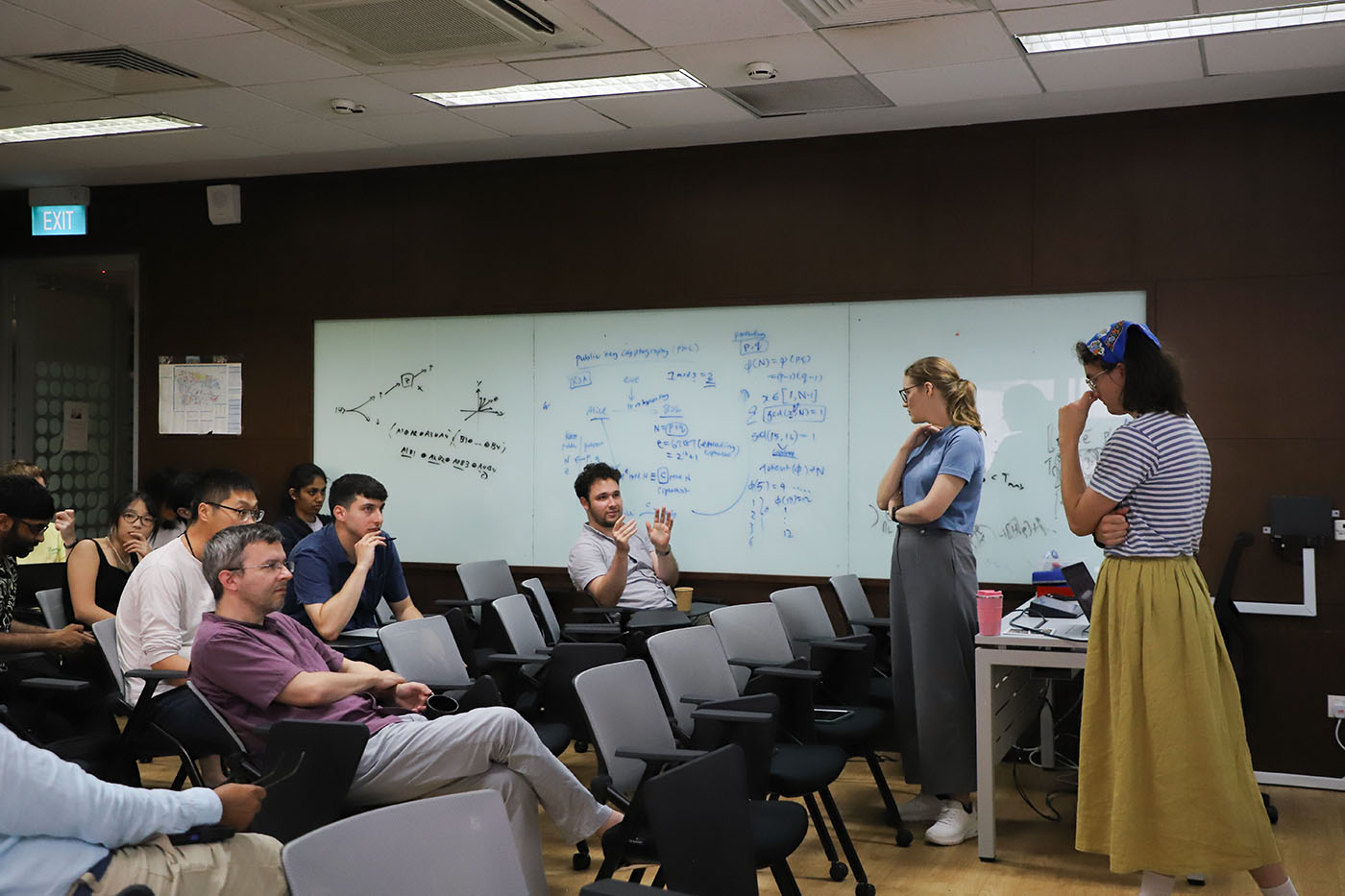
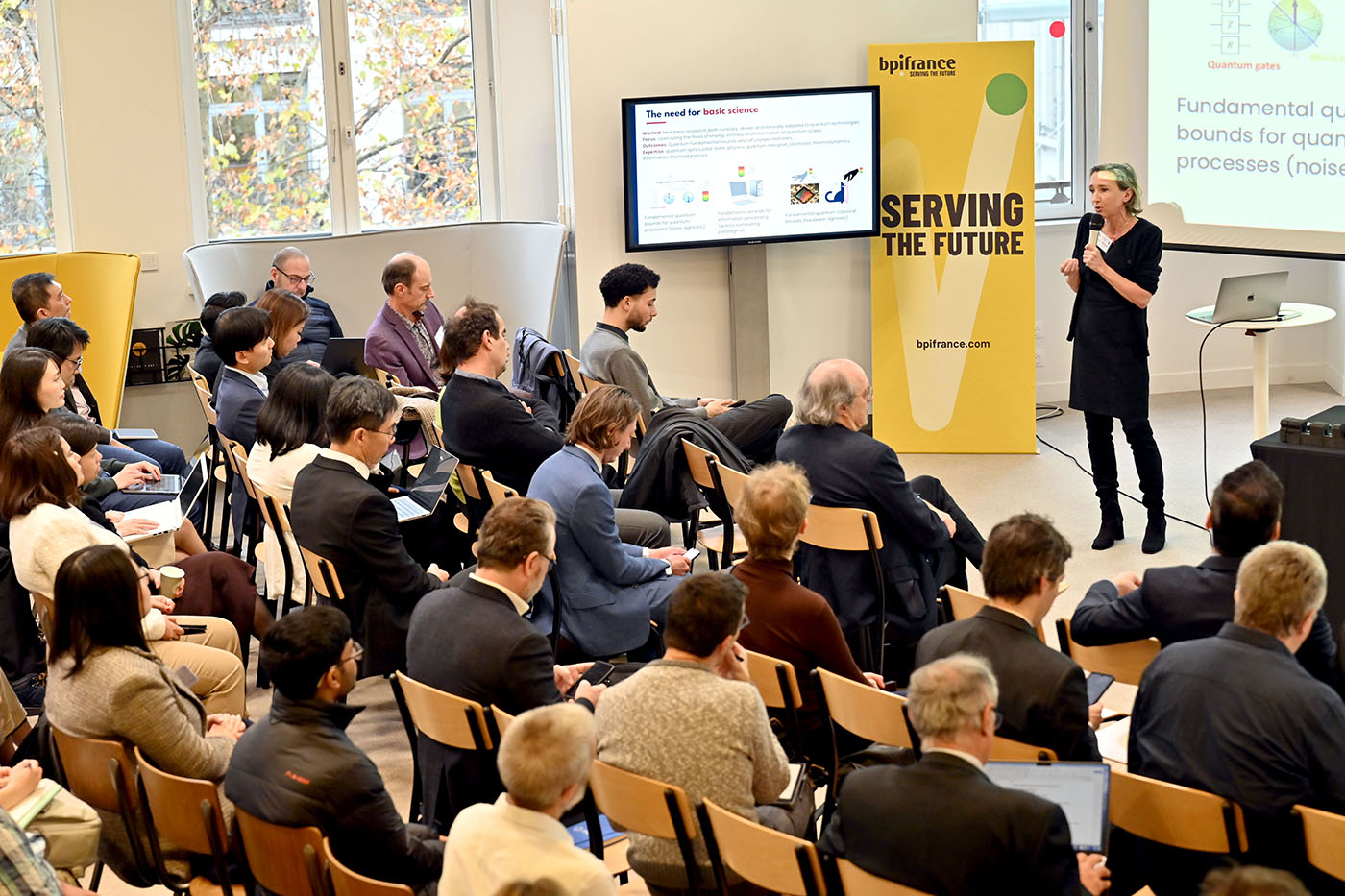
The humans at the Quantum Techniques in Machine Learning 2025 conference. Discussions spanned topics including quantum algorithms for machine learning applications, theoretical foundations of quantum learning and machine learning techniques for experimental quantum information science.
With the rise of artificial intelligence (AI), the theme for the ninth edition of the international conference Quantum Techniques in Machine Learning (QTML) was timely – “AI for Quantum, Quantum for AI”.
The annual conference looks at the interplay between quantum mechanics and machine learning, bringing together researchers and industry experts to explore how quantum computing can transform learning, optimisation, and data-driven discovery.
This year, QTML drew over 300 participants and was held from 16 to 21 November in Singapore. Students made up about 40% of the total attendees.
The Centre for Quantum Technologies (CQT) was the host and a sponsor of the conference. The conference was also supported by Google Quantum AI, Horizon Quantum, JPMorgan Chase, MajuLab, Multiverse Computing, Singapore’s National Quantum Office, National University of Singapore (NUS), QAI Ventures, Quantinuum and Xanadu.
The organising committee was co-chaired by CQT Principal Investigator Patrick Rebentrost and CQT Research Fellow Lirandë Pira.
They said, “Our organisational skills expanded from organising dinner parties with a few friends to gathering a scientific community of 300 researchers. In earnest, we greatly enjoyed this exciting exchange of scientific ideas and are grateful for the help of so many people. CQT and NUS hosting this major event really highlights the strengths of Singapore’s quantum ecosystem. It’s been an honour to host and organise this year’s QTML.”
Humans learning
The conference was held at lecture theatres in NUS and at the convention centre at Marina Bay Sands and offered a packed programme.
The first day opened with tutorials on testing and verification for quantum learning, classical simulation of quantum circuits, and modern techniques in quantum algorithms. They suggested open questions for participants to explore.
The main conference programme had nine keynotes and invited talks, over 50 contributed talks, almost 300 poster presentations, and an industry session. The last day of the conference which featured two parallel sessions of contributed talks, took place at the NUS School of Computing and was opened to the student and research community in Singapore.
Attending QTML and visiting Singapore for the first time was Mehrad Sahebi, a first year PhD student at EPFL, Switzerland, and co-author of an accepted talk. Mehrad says, “It’s really nice to see many different people here, to finally meet the people you see in papers you read, and to meet your thesis referee in person.”
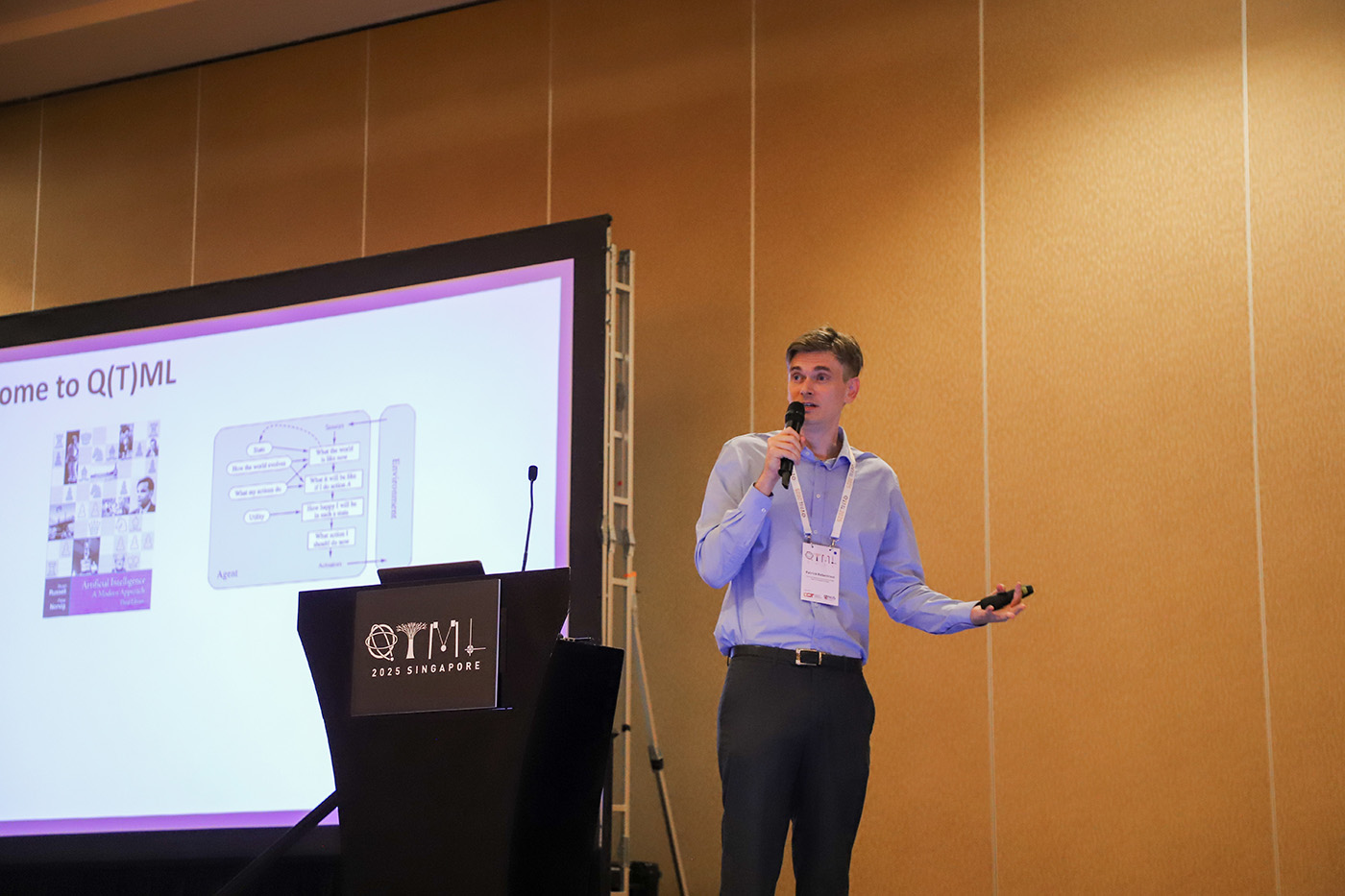
A full listing of what was presented at QTML 2025 can be found in the programme booklet. Talks were recorded and, where speakers give permission, will later be posted online.
QTML 2026 will be held at Stellenbosch University in South Africa.